
Introduction
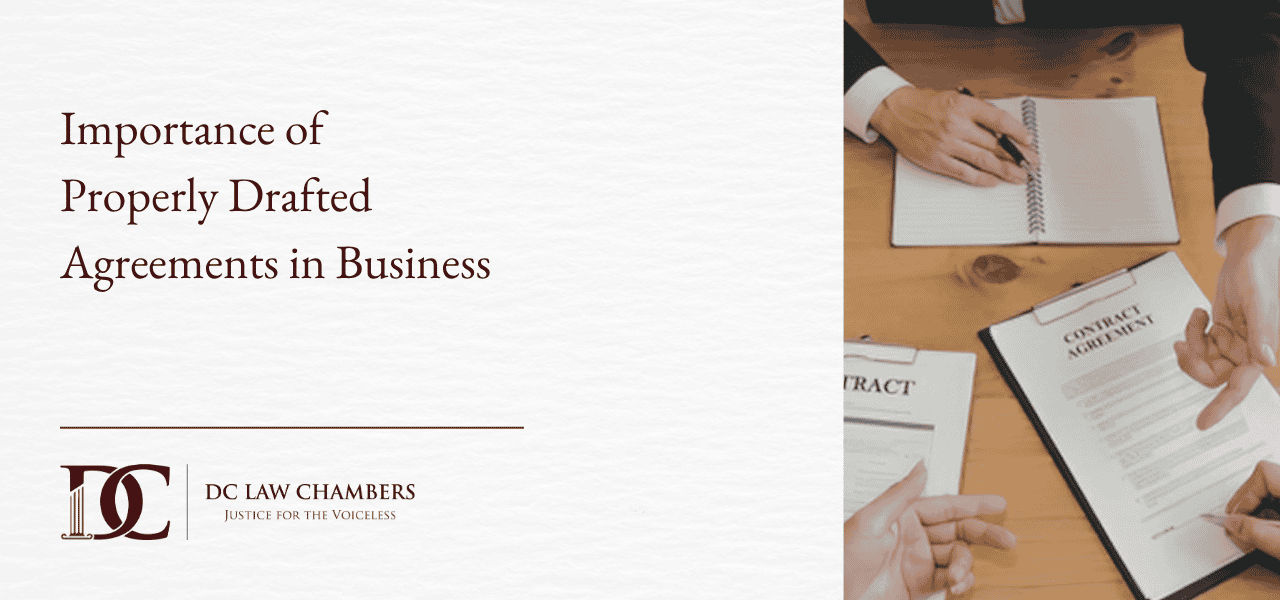
Commercial contracts are not merely records of a transaction. They function as the operational backbone of a business relationship, quietly governing expectations, allocating risks, and providing mechanisms to address uncertainty. In practice, disputes rarely arise because parties intended to default on obligations. More often, they stem from ambiguity, incomplete drafting, or assumptions that were never formally captured.
A well-structured contract anticipates these gaps. It answers practical questions before they become contentious issues and creates a predictable framework for performance, payment, and accountability. This analysis examines the core clauses found in most commercial contracts, not only in terms of their legal function but also their practical impact over the life cycle of a business arrangement.
Parties and Definitions Clause
The foundation of any enforceable contract lies in correctly identifying the parties. Errors at this stage can create complications in enforcement, particularly where multiple entities operate within a group structure. The clause must clearly specify the full legal name, nature of the entity, and registered or principal place of business of each party. Where subsidiaries or affiliates are involved, clarity becomes even more critical to avoid disputes regarding liability and responsibility.
The definitions section complements this by ensuring consistency throughout the agreement. Frequently used terms are defined once and then applied uniformly across the document. This reduces interpretational ambiguity and ensures that obligations are clearly understood. In complex agreements, well-drafted definitions act as a reference framework, preventing conflicting interpretations that may otherwise arise during performance or dispute resolution.
Scope of Work or Services
The scope clause forms the substantive core of the contract. It determines what is to be delivered, how it is to be delivered, and within what timeframe. Any lack of precision in this clause directly translates into operational confusion.
A detailed scope should outline the nature of goods or services, performance standards, timelines, and measurable deliverables. Where applicable, it should incorporate milestones and acceptance criteria. The absence of such detail often leads to differing expectations, with one party assuming a broader obligation than what the other intended to undertake.
Equally important is the inclusion of a structured mechanism to handle changes. Business requirements evolve, and a contract that does not accommodate variation may become impractical. A clearly defined change management process ensures that modifications are documented, cost implications are addressed, and timelines are adjusted in a controlled manner.
Consideration and Payment Terms
Financial clarity is central to maintaining a stable commercial relationship. The payment clause must go beyond stating the amount payable and address the mechanics of how and when payments will be made.
This includes the pricing structure, whether fixed, milestone-based, or time-based, as well as invoicing procedures, documentation requirements, and applicable taxes. The clause should also anticipate common scenarios such as delayed payments, disputed invoices, or partial payments.
Incorporating provisions for interest on delayed payments or the right to suspend services in case of non-payment can act as a deterrent against default. At the same time, the clause must remain commercially reasonable, allowing flexibility where genuine disputes or operational challenges arise.
Term and Termination
The duration of the contract and the manner in which it may be brought to an end are critical to its overall structure. The term clause establishes the period for which the agreement remains in force, whether fixed or subject to renewal.
The termination clause, however, introduces greater complexity. It must address termination for convenience, termination for breach following a cure period, and immediate termination in cases of serious misconduct. Each of these scenarios carries different legal and commercial implications.
Equally significant are the post-termination consequences. These may include settlement of dues, return or destruction of confidential information, and handling of ongoing work. A carefully drafted termination framework ensures that the exit process is orderly and reduces the likelihood of disputes at the end of the relationship.
Representations and Warranties
Representations and warranties serve as assurances regarding the legal and factual position of the parties at the time of entering into the contract. They establish a baseline of trust and allocate responsibility for the accuracy of statements made.
Representations typically relate to authority, capacity, and compliance with existing obligations, while warranties often address the quality and performance of goods or services. If these assurances prove to be incorrect, they can form the basis for legal remedies.
From a practical standpoint, these clauses must be reviewed carefully rather than accepted as standard language. They carry legal consequences and may significantly affect risk allocation if breached.
Indemnity Clause
The indemnity clause is a key risk allocation mechanism within a commercial contract. It determines which party will bear losses arising from specified events, such as breach of contract, negligence, or third-party claims.
A well-drafted indemnity clause should clearly define the scope of covered losses, including whether indirect or consequential damages are included. It should also specify procedural aspects, such as notification requirements and control of defence in third-party claims.
In practical terms, this clause directly impacts financial exposure. For instance, in intellectual property disputes, an indemnity can shift the burden of liability from the affected party to the one responsible for the infringement.
Limitation of Liability
While indemnity allocates responsibility, limitation of liability defines the extent of that responsibility. It sets a financial cap on potential liability and often excludes certain categories of damages, such as indirect or consequential losses.
This clause is essential for maintaining commercial balance. Without it, exposure to liability may become disproportionate to the value of the contract. At the same time, certain liabilities, such as fraud or wilful misconduct, are typically excluded from these limitations.
The challenge lies in striking a balance that is both commercially viable and legally enforceable, ensuring that neither party is exposed to unreasonable risk.
Confidentiality Clause
Confidentiality obligations are fundamental in commercial relationships where sensitive information is exchanged. This may include technical data, business strategies, pricing structures, or customer information.
The clause must define what constitutes confidential information, the permitted scope of use, and the duration of the obligation. It should also address permissible disclosures, such as those required by law or regulatory authorities.
In practice, this clause underpins trust between the parties. Its effectiveness lies not only in its legal enforceability but also in its clarity and scope.
Intellectual Property Rights
Intellectual property considerations are particularly relevant in contracts involving innovation, technology, or creative work. The agreement must clearly distinguish between pre-existing intellectual property and that which is created during the course of the contract.
Ownership, licensing rights, and usage permissions must be explicitly defined. Ambiguity in this area often leads to disputes, particularly where one party assumes ownership while the other intends to retain rights.
A well-drafted clause ensures clarity on how intellectual property can be used, commercialised, or transferred, thereby protecting the interests of both parties.
Dispute Resolution Clause
No contract is immune to disputes. The dispute resolution clause provides a structured mechanism for addressing disagreements in a predictable and efficient manner.
It typically specifies the governing law, jurisdiction, and method of resolution, whether through litigation, arbitration, or mediation. Arbitration is often preferred in commercial contexts due to its flexibility and confidentiality, but it must be carefully structured to avoid procedural ambiguity.
A clear and well-defined dispute resolution framework reduces uncertainty and enables faster resolution of conflicts.
Force Majeure Clause
The force majeure clause addresses situations where performance becomes impossible due to events beyond the control of the parties. These may include natural disasters, war, or government-imposed restrictions.
The clause must clearly define qualifying events, the consequences on contractual obligations, and the duration for which performance may be suspended. It should also specify when prolonged disruption may justify termination.
Recent global disruptions have highlighted the importance of precise drafting in this area, as vague language can lead to disputes over applicability.
Boilerplate Clauses
Often overlooked, boilerplate clauses play a crucial role in determining how the contract operates. These include provisions relating to entire agreement, amendments, assignment, severability, and notices.
While they may appear routine, these clauses govern fundamental aspects such as how changes are made, how rights are transferred, and how communication is formally conducted. Their significance becomes evident when disputes arise or when contractual relationships evolve.
Practical Considerations While Drafting
The effectiveness of a contract depends not only on the inclusion of key clauses but also on the clarity of drafting. Language should be precise, consistent, and tailored to the specific transaction. Generic or copied clauses may not reflect the actual commercial understanding and can create unintended obligations.
Reviewing the contract from both perspectives helps identify potential imbalances. What appears reasonable to one party may impose undue restrictions on the other. A balanced approach enhances enforceability and long-term viability.
Conclusion
A commercial contract is a functional framework that governs the day-to-day operation of a business relationship. Each clause contributes to defining obligations, allocating risk, and providing mechanisms to address uncertainty.
Careful drafting and review ensure that the contract serves its intended purpose, reducing disputes and facilitating smooth performance. The effort invested at the drafting stage often determines how effectively the contract operates over time, making it a critical aspect of any commercial arrangement.