Introduction
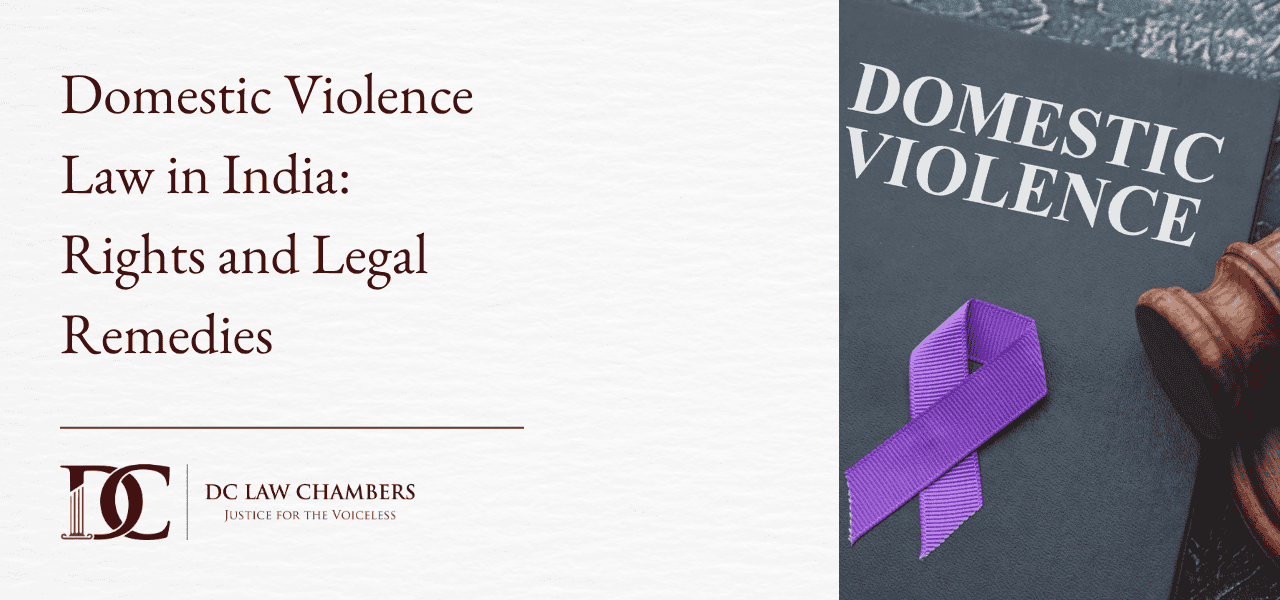
Domestic violence continues to be one of the most pervasive yet underreported forms of abuse in India. It often unfolds within the privacy of the home, making it difficult to identify, document, and address. While physical violence is the most visible form, the reality is far more complex. Abuse may manifest through emotional manipulation, financial control, verbal humiliation, sexual coercion, or restrictions on personal autonomy. These forms of violence, though less visible, can have equally severe and long-lasting consequences.
Indian law has gradually evolved to recognise this complexity. The legal framework today moves beyond a narrow understanding of violence and adopts a more comprehensive approach aimed at protection, prevention, and rehabilitation. The focus is not limited to penal consequences but extends to ensuring safety, dignity, and access to essential rights within a domestic environment. This analysis explains the legal position in a structured and practical manner, enabling a clearer understanding of rights and remedies available under the law.
What Counts as Domestic Violence
The primary legislation governing this area is the Protection of Women from Domestic Violence Act, 2005. The Act deliberately adopts a broad and inclusive definition of domestic violence to reflect the lived experiences of victims.
Physical abuse includes acts such as assault, criminal force, or any conduct that causes bodily pain, harm, or danger to life and health. Emotional or verbal abuse extends to repeated insults, humiliation, intimidation, threats, or isolating a person from their support system. Economic abuse is recognised as a significant form of control and includes denial of financial resources, restriction on employment, disposal of assets, or refusal to provide for basic necessities. Sexual abuse encompasses any conduct of a sexual nature that violates dignity, autonomy, or consent.
A critical aspect of this definition is its recognition of patterns rather than isolated incidents. Domestic violence is often cyclical, involving repeated behaviour that gradually erodes the victim’s independence and sense of security. This broader understanding allows the law to intervene even in situations where physical violence may not be immediately evident.
Who Can Seek Protection
The Act is designed primarily to protect women, acknowledging the structural vulnerabilities they may face within domestic relationships. However, its scope is not confined to legally married spouses. It extends to any woman who is or has been in a domestic relationship with the respondent and has lived in a shared household.
This includes wives, mothers, sisters, daughters, and women in relationships in the nature of marriage, including live-in arrangements. The concept of a “shared household” ensures that protection is linked to actual living conditions rather than formal legal status alone. This is particularly relevant in contemporary contexts where relationships may not always follow traditional structures.
Importantly, liability is not limited to the husband. Other family members, including in-laws or relatives, may also be held accountable if they are involved in acts of abuse. This reflects the realities of joint family systems where multiple individuals may contribute to or perpetuate abusive conduct.
Core Rights Under the Law
The framework under the Act is rights-based and focuses on providing immediate and effective relief. It recognises that victims often require urgent protection and support to regain control over their lives.
One of the most significant rights is the right to reside in the shared household. A woman cannot be evicted or excluded from her place of residence merely because she does not hold ownership or tenancy rights. This provision ensures housing security, which is often a critical concern in abusive situations.
The right to protection enables courts to pass orders restraining the respondent from committing further acts of violence or from contacting the victim. These orders create a legal boundary intended to prevent escalation.
Financial security is addressed through the right to monetary relief. Victims may seek support for daily expenses, medical costs, and loss of income resulting from the abuse. This is particularly important where economic dependence has been used as a means of control.
The law also recognises the importance of child welfare by allowing temporary custody orders. Courts prioritise the safety and well-being of children while ensuring that their routine and emotional stability are maintained.
In addition to immediate relief, the right to compensation addresses the long-term impact of abuse. Courts may award damages for mental trauma, emotional distress, and physical harm, acknowledging that the consequences of domestic violence extend beyond immediate injuries.
Legal Remedies Available
The remedies under the Act are primarily civil in nature, which makes them more accessible and less intimidating for victims who may be hesitant to initiate criminal proceedings. This approach allows individuals to seek protection and support without immediately engaging in a punitive process.
Protection orders serve as a preventive mechanism, restraining the respondent from engaging in further acts of violence or harassment. Residence orders ensure that the victim retains the right to stay in the shared household or is provided with suitable alternative accommodation where necessary.
Monetary relief addresses both immediate and ongoing financial needs, including maintenance and reimbursement of expenses. Custody orders provide interim arrangements for children, ensuring their safety and continuity of care.
Compensation orders go a step further by recognising the psychological and emotional harm suffered. These remedies are flexible and can be combined depending on the facts of the case, allowing the court to tailor relief to the specific circumstances.
How to File a Complaint
The procedural framework under the Act is designed to be accessible and user-friendly. A complaint can be initiated directly before a Magistrate or through a Protection Officer. Assistance may also be sought from registered service providers, non-governmental organisations, or even the police.
Once a complaint is filed, the court has the authority to issue interim orders to provide immediate protection. These orders are crucial in ensuring that victims are not left vulnerable while the case is pending. The emphasis on interim relief reflects the law’s focus on timely intervention.
Role of Protection Officers
Protection Officers play a vital role in bridging the gap between the legal framework and its practical implementation. They assist victims in filing applications, prepare the Domestic Incident Report, and facilitate access to essential services such as medical care, shelter, and counselling.
They are also responsible for ensuring that court orders are effectively implemented. While their efficiency may vary depending on resources and local infrastructure, their role remains central to making the law accessible and responsive.
Civil vs Criminal Remedies
A clear distinction exists between remedies under the Act and criminal provisions such as Section 498A IPC. The Act provides civil remedies focused on protection, residence, and financial support, whereas Section 498A addresses cruelty as a criminal offence.
Both remedies can operate simultaneously. A victim may seek immediate relief under the Act while also pursuing criminal action in cases involving severe abuse. The choice depends on the nature of the conduct and the outcome sought by the victim at a given stage.
Evidence and Documentation
Although the law is designed to be sensitive to the realities of domestic violence, evidence remains an important component. Documentation such as medical records, photographs, communication records, and witness statements can strengthen a case.
However, courts also recognise that domestic violence often occurs in private spaces. As a result, the testimony of the victim is given significant weight, and strict evidentiary standards are applied with caution.
Time Sensitivity and Interim Relief
One of the strengths of the legal framework is its emphasis on immediate protection. Courts are empowered to grant urgent relief, including protection orders, financial assistance, and custody arrangements, even before the final adjudication of the case.
This ensures that victims are not left in unsafe conditions while the legal process unfolds. The availability of interim relief makes the law both practical and responsive to urgent needs.
Challenges in Implementation
Despite a comprehensive legal framework, challenges remain in implementation. Delays in court proceedings, lack of awareness, inconsistent support from authorities, and social stigma often hinder effective enforcement.
In many cases, victims may withdraw complaints due to emotional pressure or financial dependence. These challenges highlight the need for stronger institutional support, awareness campaigns, and societal change alongside legal remedies.
Recent Trends and Expanding Understanding
Judicial interpretation has played a significant role in expanding the scope of domestic violence law. Courts have recognised live-in relationships within the framework of the Act and have increasingly acknowledged non-physical forms of abuse such as emotional manipulation and economic control.
There is also growing recognition of digital forms of harassment, including abusive communication and online surveillance. These developments reflect an evolving understanding of how control and abuse manifest in modern contexts.
Practical Guidance for Victims
For individuals facing domestic violence, the process of seeking help can be daunting. Early steps such as reaching out to trusted individuals, maintaining basic records of incidents, and seeking legal advice can make a significant difference.
Accessing support through Protection Officers, NGOs, or legal professionals can provide clarity and direction. Timely medical care and documentation of injuries are also important in strengthening a case. While the process may feel overwhelming, small and consistent steps can help build a pathway to safety and legal protection.
Conclusion
Domestic violence law in India is built on the principles of protection, dignity, and access to justice. The Protection of Women from Domestic Violence Act, 2005 offers a flexible and comprehensive framework that addresses both immediate and long-term needs of victims.
While legal provisions are robust, their effectiveness depends on awareness, timely action, and supportive implementation. Understanding these rights is the first step toward empowerment. When combined with appropriate legal guidance and institutional support, the law serves as a meaningful tool for securing safety, restoring dignity, and enabling individuals to move forward with confidence.